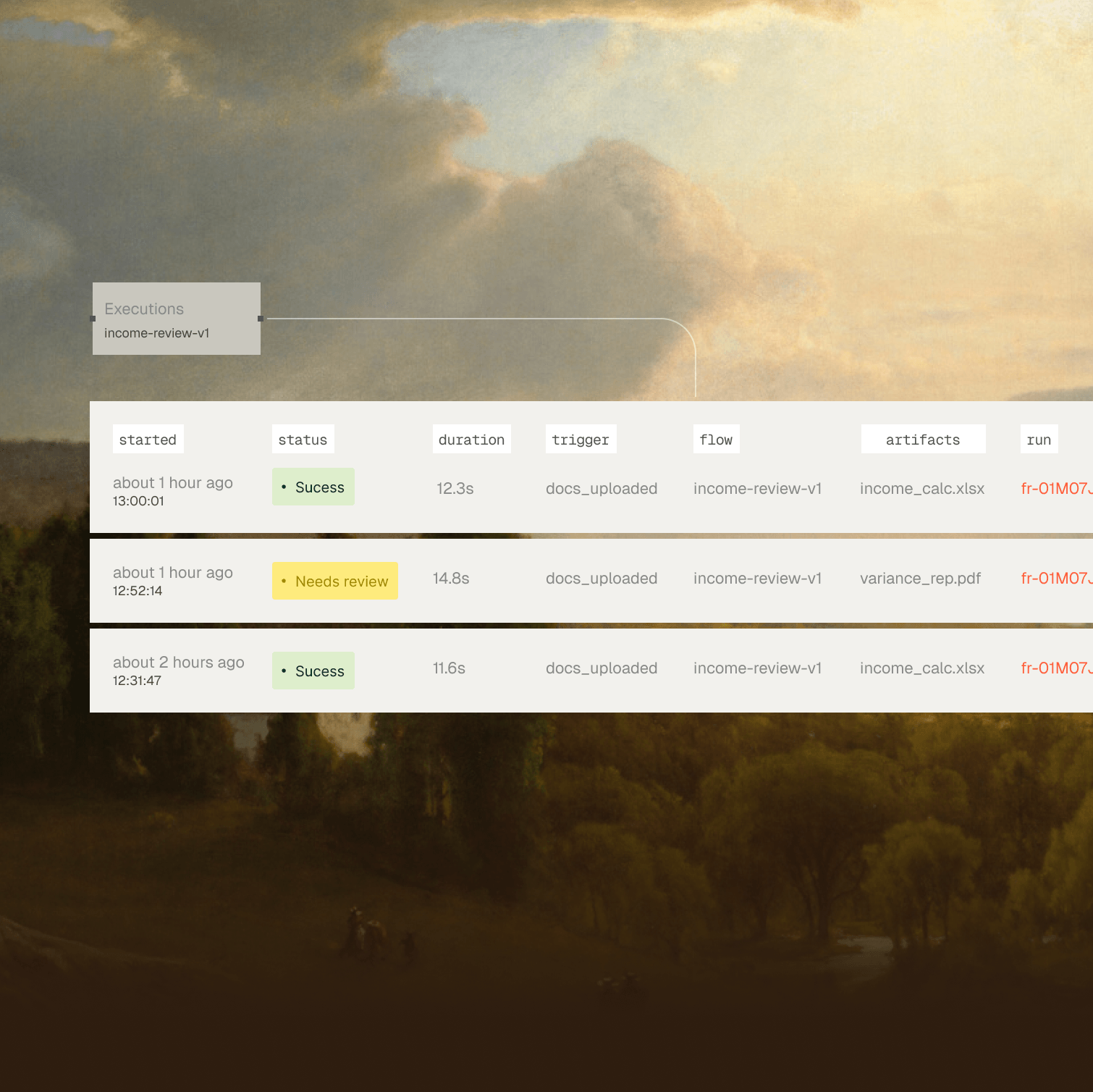
Discover
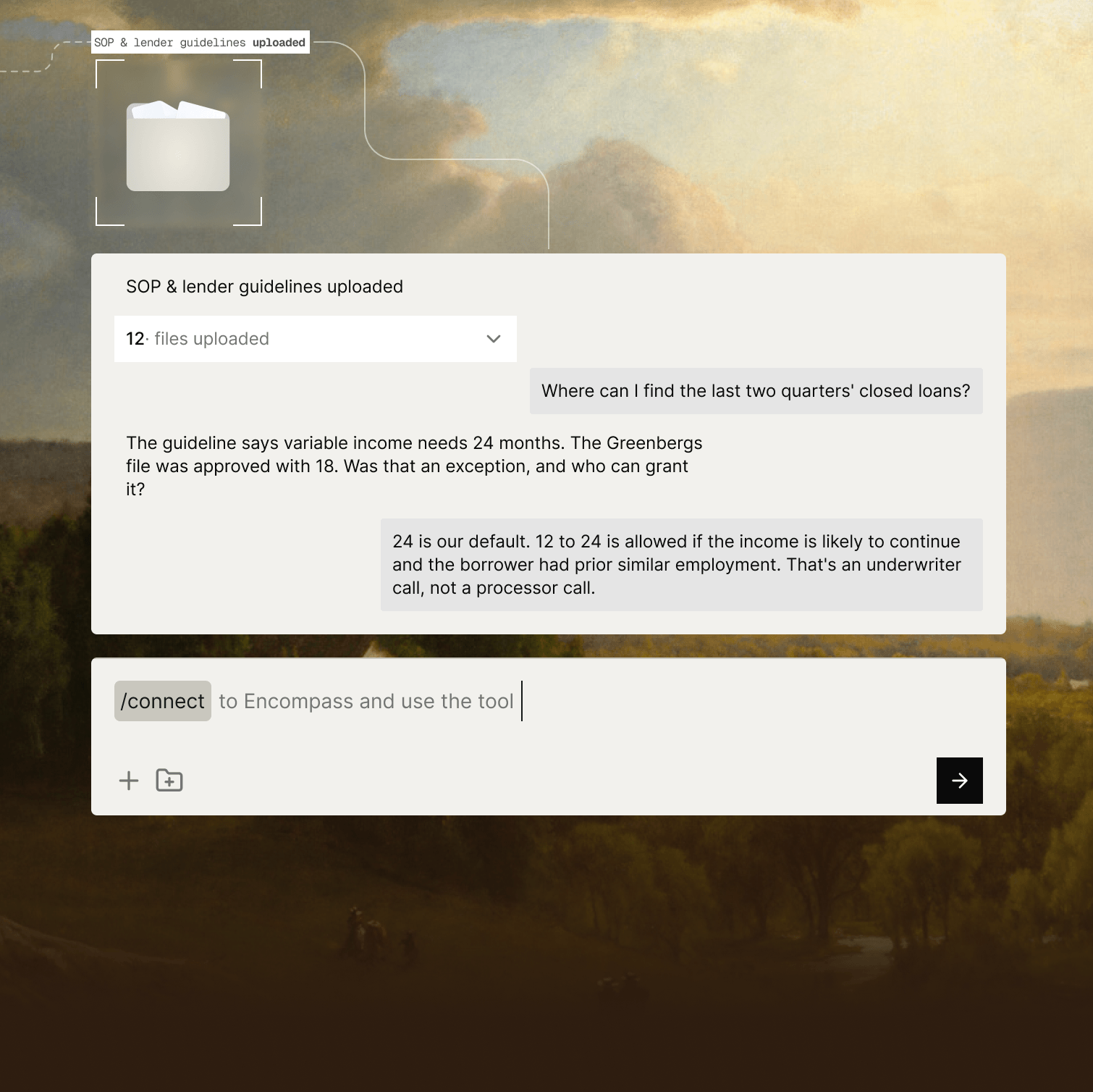
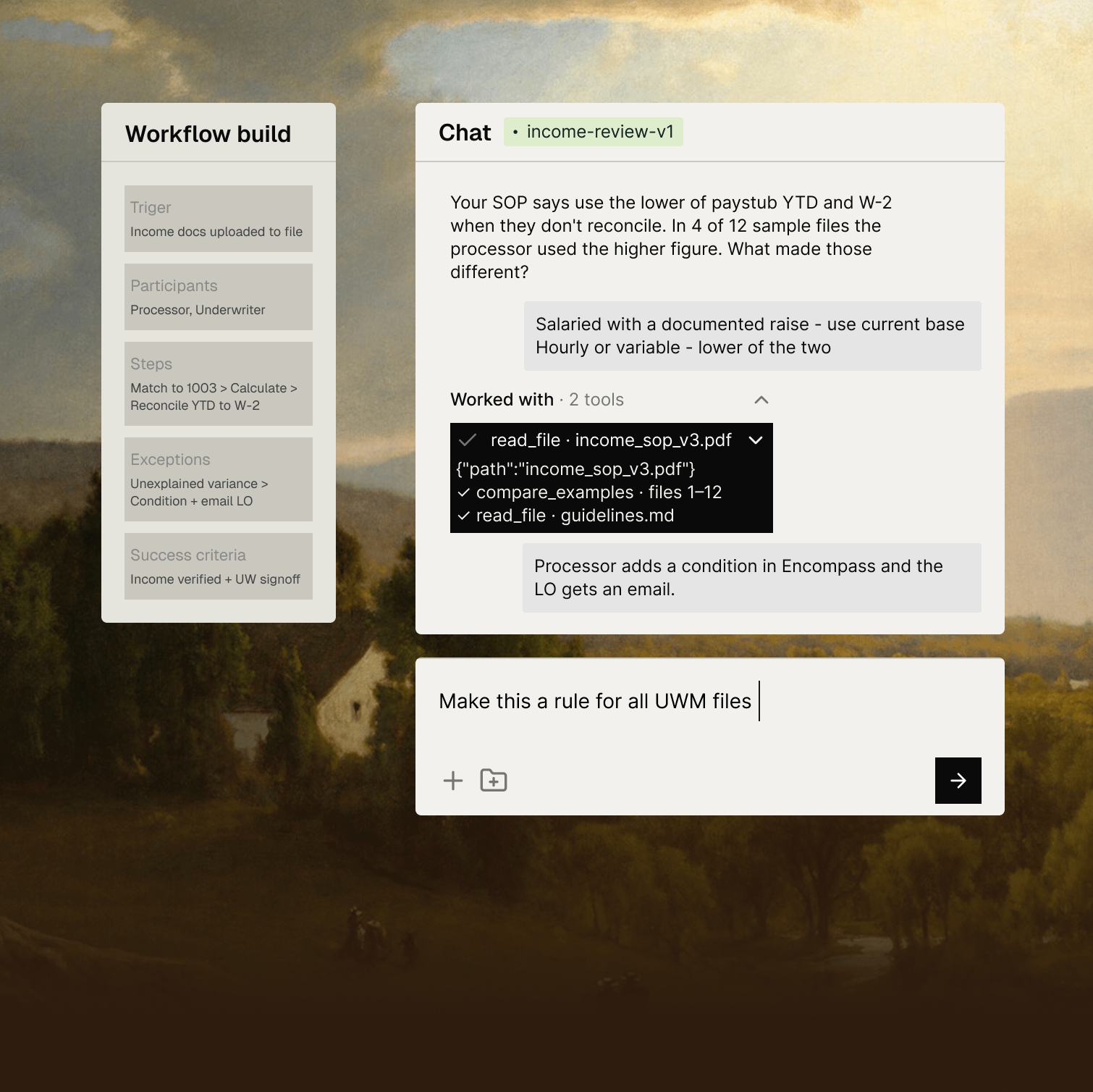
Tell hegl about the workflow: type, talk, drop in your SOP, share examples. It asks in-depth questions, prompts you to connect the systems involved, and builds a picture of what done right looks like.
Describe your work in plain English. hegl writes real software for it, tests it against your data, and gets better every time you correct it.

Leading teams are using hegl to turn their organizational judgment into code.








“With hegl we were able to turn over 90% user fixes into permanent rules so the same bugs in parsing resumes stopped coming back”

AI works in software because you can check if the code compiles and billions of examples exist. Most of the work out there doesn’t have that. The judgment the work depends on was never written down, so there’s nothing to test against and nothing to learn from. SOPs and existing documentation are enough to produce a demo, but proves insufficient to ship a reliable system.

THE LOOP
Tell hegl about the workflow: type, talk, drop in your SOP, share examples. It asks in-depth questions, prompts you to connect the systems involved, and builds a picture of what done right looks like.
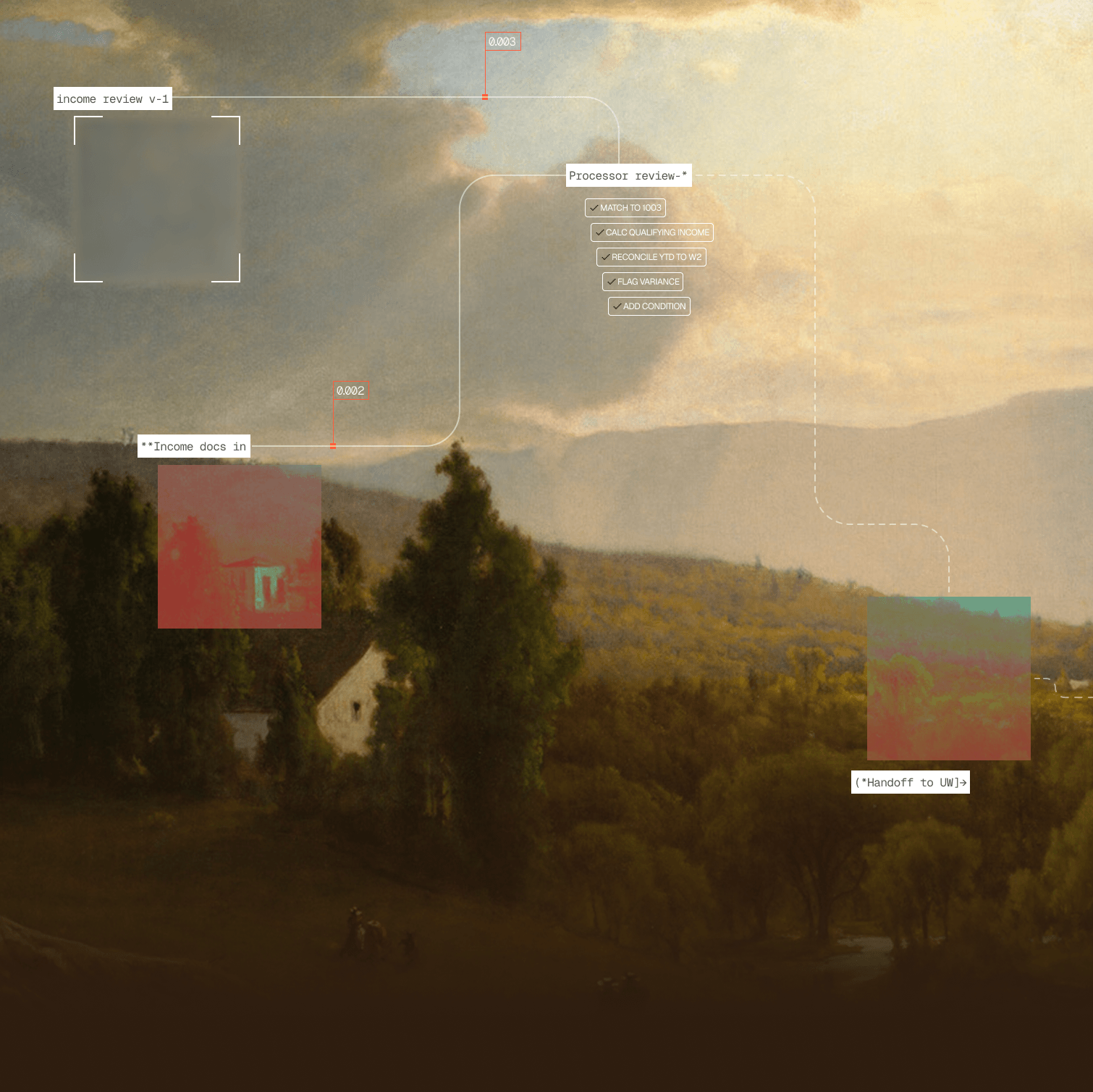
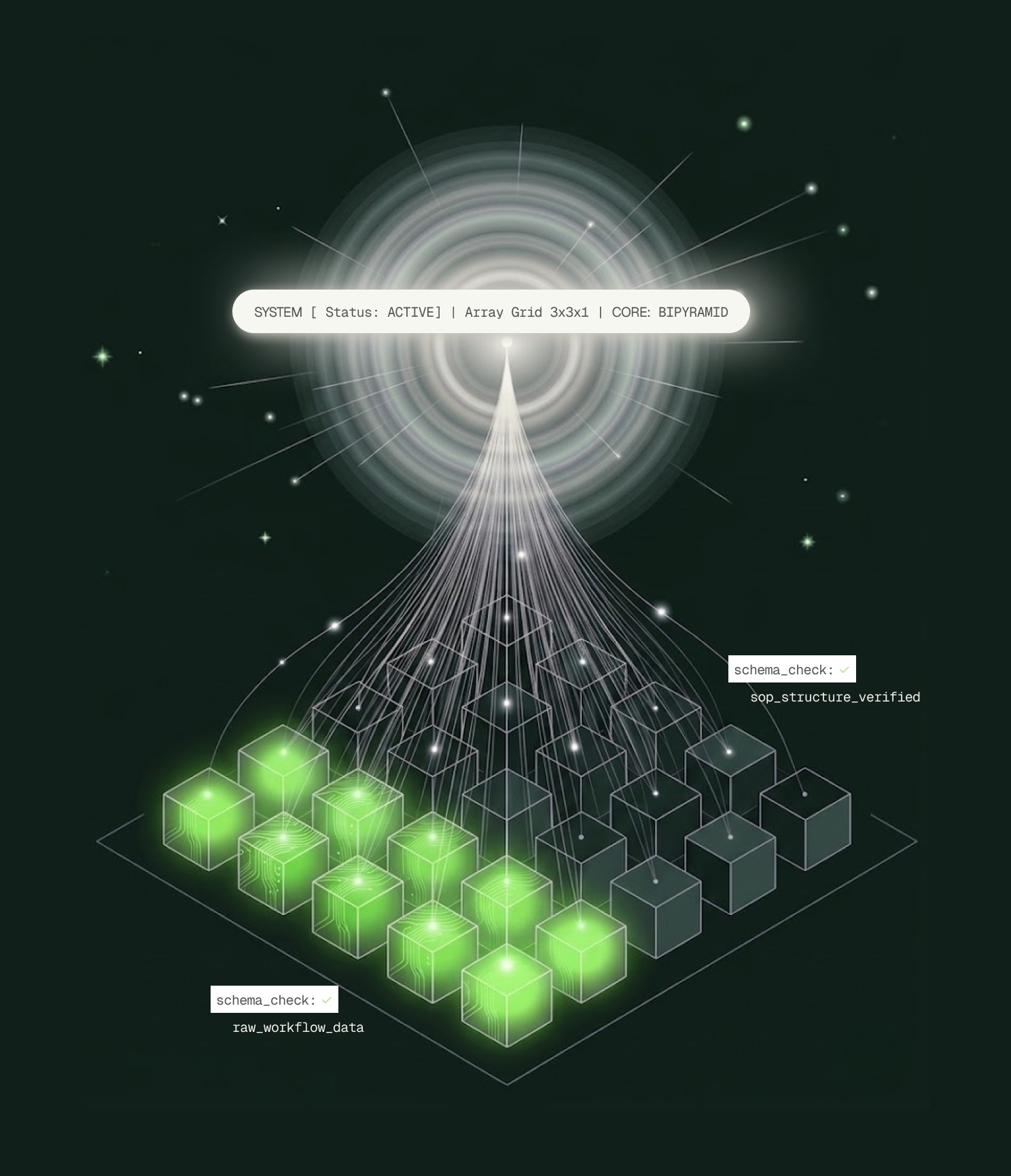
The workflow becomes deterministic software. The genuine judgment calls are isolated into small decision points with fixed inputs and outputs – everything else runs the same way every time until you change it.
hegl builds the system, assembles an eval set from your real production data, and tests itself against it until it hits success criteria. It goes live when you decide to publish it.
Every correction becomes a permanent test, and the system rewrites itself to pass it. The eval set grows with every override, feedback or change of context - accuracy compounds over time instead of drifting.
The product
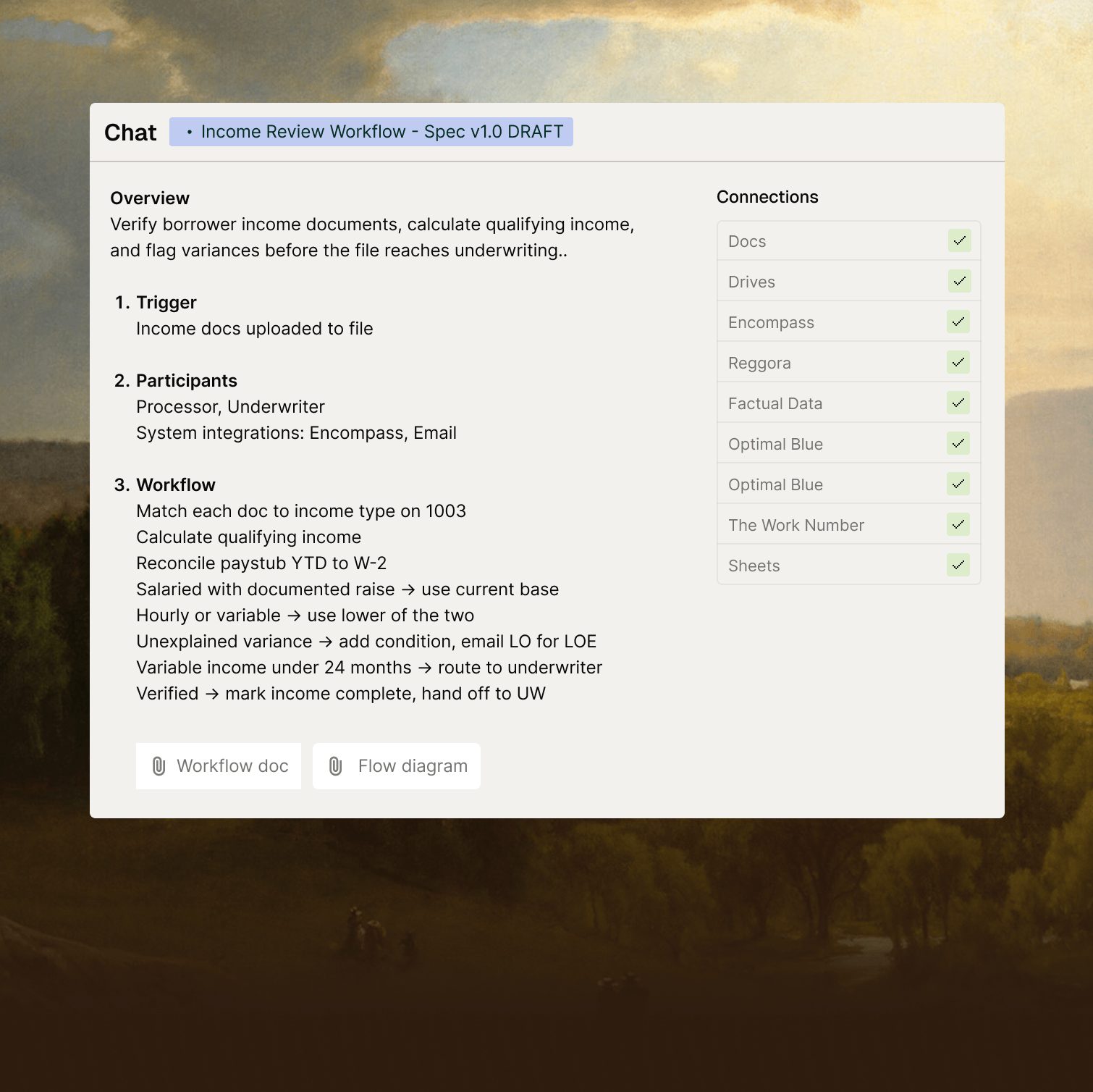
hegl asks questions about the workflow and turns the answers into a detailed spec.
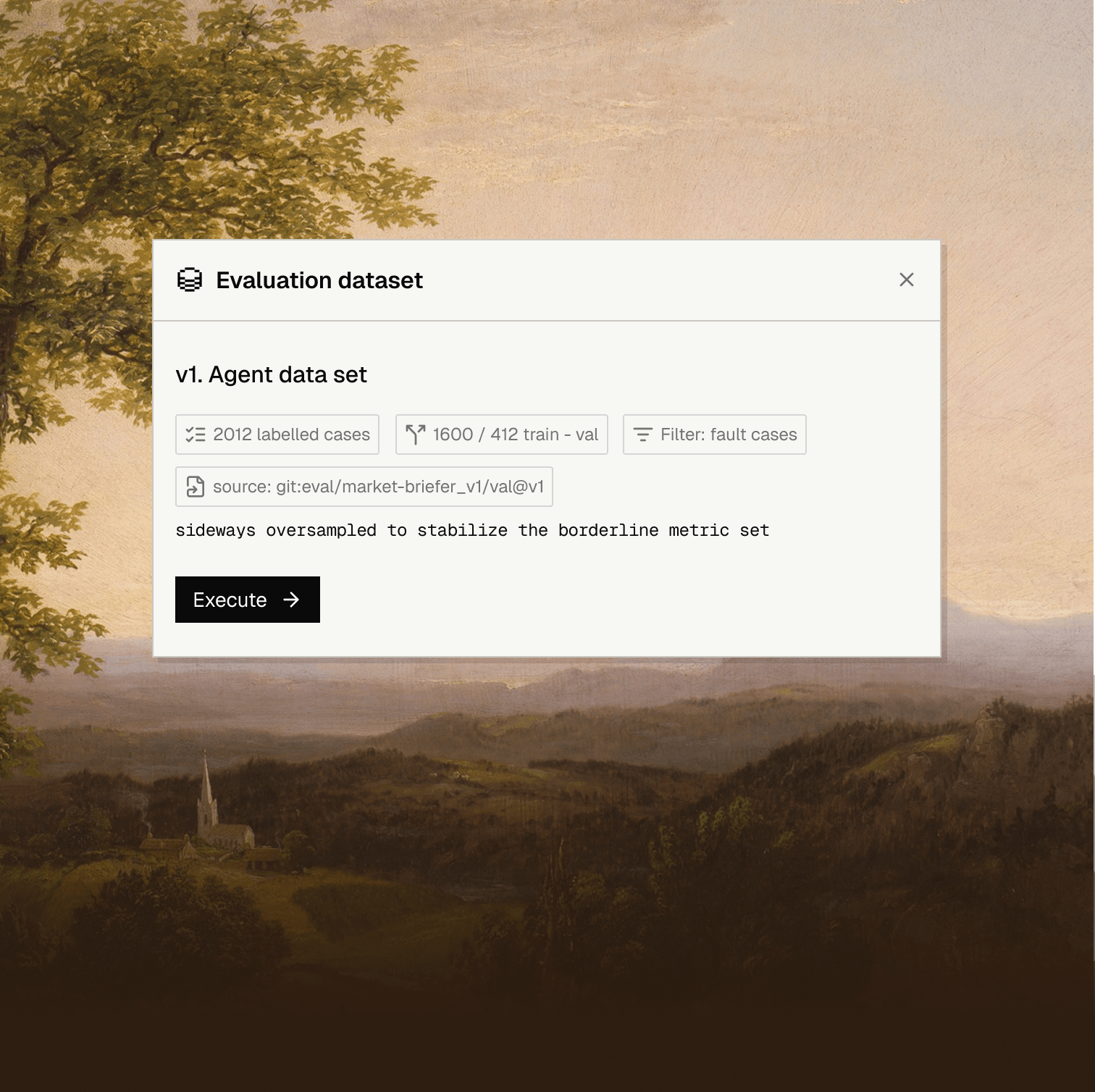
Built from files your team actually worked. Nothing ships until it passes on them.
And the answer becomes a permanent case in the eval set.
New evidence, new version, re-run against the full eval set. Every version beats the last.
LLMs decide only inside schema-fixed decision points. Everything around them runs the same way every time.
Append-only record of inputs, decisions, overrides, versions.
The product
Everyday patterns: Read incoming documents, enter what matters, Review requests, approve or reject, Check submissions, chase what’s missing, Compare sources, resolve mismatches, Answer tickets like your best person, Decide each exception, then do it, Check contracts against playbooks, Fill forms from documents, Match invoices to orders, Triage and route the inbox
Everyday patterns: Read incoming documents, enter what matters, Review requests, approve or reject, Check submissions, chase what’s missing, Compare sources, resolve mismatches, Answer tickets like your best person, Decide each exception, then do it, Check contracts against playbooks, Fill forms from documents, Match invoices to orders, Triage and route the inbox
Use cases
hegl is built to work across many domains where information comes in and a person decides what happens next. Click on the folders below to explore some of the common use cases.
Book a demoGetting Started
I built an automation that handles refund tickets in an afternoon without pulling engineers off the roadmap. What used to be handled by 1 FTE is now done in a couple of minutes.
80%+
of refund requests
auto-resolved
30h+
Saved every month
for the team